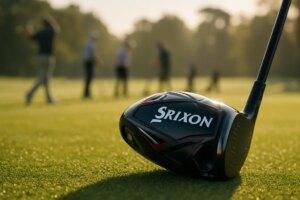
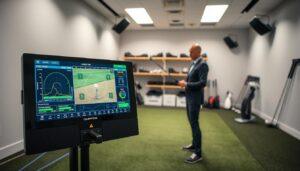
For amateur golfers comparing Orlando Club Fitting options, True Spec Golf’s new Winter Garden presence is worth a closer look because it brings a serious fitting model to a market already loaded with golf courses, practice facilities, and visiting players. The key attraction is not just the brand name. It is the combination of outdoor hitting, launch-monitor feedback, a large head-and-shaft matrix, and appointment-based sessions that can help a golfer make better equipment decisions without guessing from a range bucket or a retail hitting net.
The available reporting says True Spec Golf expanded in the Orlando area with a Winter Garden facility that opened on May 25, 2026, inside an existing golf facility, and that it is the company’s ninth Florida location, according to the Orlando Business Journal report. True Spec’s own Orlando listing describes two covered outdoor fitting bays using Foresight GCQuad launch monitors, a brand-agnostic matrix with more than 70,000 clubhead and shaft combinations, appointment-only hours, and fitting prices ranging from $125 to $475 depending on session type and duration, per the True Spec Orlando details.
One local note is worth flagging before a golfer books. The research provided for this article references both the Winter Garden opening and True Spec’s Orlando listing, which also describes a setting at Grande Vista Golf Club. That means golfers should verify the exact appointment location, session type, and day-of-arrival details directly with True Spec before showing up with clubs in the trunk.
Why The Winter Garden Opening Matters
A Serious Fitting Option In A Golf-Heavy Market
Central Florida is not short on golf. What separates a fitting facility from a basic demo day is the structure of the session and the quality of the comparison. A useful fitting asks a simple question: what happens to strike, launch, spin, peak height, descent angle, carry distance, and dispersion when the golfer changes head design, shaft profile, length, lie, loft, or grip? The answer is rarely found in one swing. It comes from patterns.
That is where the new True Spec location has appeal for amateurs. A golfer can work through equipment questions with measured data rather than relying only on ball flight memory. That matters for players who are not elite ball-strikers. A scratch player may find the center of the face often enough to isolate small equipment changes quickly. A 15-handicap player may need a fitter to separate a swing miss from an equipment pattern. Good process keeps the session from becoming a chase for the single longest shot.
Local Access, But Still Appointment Driven
The facility operates by appointment only, with listed hours that vary by day: Monday from 10am to 5pm, Tuesday from 9am to 5pm, Wednesday from 8am to 4pm, and Thursday through Saturday from 9am to 5pm. For working golfers, juniors, and visitors building golf into a vacation schedule, that appointment model is useful but less forgiving than dropping into a range stall. Book the correct fitting type, bring your current clubs, and leave enough time for warmup, discussion, and any post-session build questions.
For broader local reference across the same network, golfers comparing area resources can find valuable information on WikiApp, but fitting decisions should still come back to the facility’s current booking page and a direct conversation with the fitter.
What Orlando Club Fitting Offers At True Spec
Orlando Club Fitting Data Points
The heart of the session is the data. True Spec lists two covered outdoor fitting bays equipped with Foresight GCQuad launch monitors. For amateurs, outdoor fittings can be valuable because the player gets both measured numbers and a real view of ball flight. Indoor fittings can be excellent, too, but many golfers trust the process more when they can see the shot start, curve, climb, and land in open air.
The important part is how the numbers are used. Orlando Club Fitting should not be treated as a distance contest. A fitter may look at whether a driver launches too low, whether irons are falling out of the air, whether wedges have sensible carry gaps, or whether a fairway wood is too close to the driver to justify a spot in the bag. The numbers matter most when they explain the shots a golfer sees on the course.
The Head-And-Shaft Matrix
True Spec says its brand-agnostic matrix includes more than 70,000 clubhead and shaft combinations from major equipment manufacturers. That does not mean a golfer needs to hit dozens of heads and shafts. A good fitting narrows the field. For example, a player who delivers the driver with too much spin may be tested in lower-spin heads or different shaft profiles. A player who struggles to launch a long iron may be moved toward a hybrid or higher-launch fairway option. A wedge fitting may focus less on raw yardage and more on gapping, sole interaction, and predictable carry.
Brand-agnostic fitting is helpful because it keeps the conversation centered on performance, not one company’s product cycle. That still does not guarantee better scores or a set number of extra yards. Golfers bring different swings, strike patterns, budgets, and preferences. The practical goal is a set makeup that gives the player more predictable tools.
How To Choose The Right Session
Match The Fitting To The Weakest Part Of The Bag
True Spec’s listed fitting menu includes full bag with putter, full bag without putter, woods, driver and iron, iron and wedge, short game, driver, fairway and hybrid, iron, putter, wedge, gap analysis, and shaft-only sessions. The right choice depends on the problem. A golfer losing balls off the tee may not need a full bag appointment at first. A player with three clubs traveling the same distance may be better served by gap analysis. A golfer who has changed swing speed, injury status, or ball flight over the past few seasons may need a wider look.
| Golfer Question | Likely Session To Consider |
|---|---|
| Driver is inconsistent or spinning too much | Driver fitting |
| Long clubs overlap in distance | Fairway and hybrid or gap analysis |
| Irons and wedges do not flow cleanly | Iron and wedge fitting |
| Short shots lack distance control | Short game or wedge fitting |
| Whole set feels mismatched | Full bag fitting |
For many amateurs, Orlando Club Fitting should start with the part of the bag that costs the most strokes or creates the most penalty shots. That might be driver, but not always. A player who rarely hits driver out of play but leaves awkward wedge yardages all day could gain more practical value from gapping work. A player who three-putts often should not ignore putter fit, even if a new driver sounds more exciting.
Understand The Price Range Before Booking
The listed fitting prices run from $125 to $475, depending on the session type and duration. That range is useful because it lets golfers match the appointment to the decision at hand. If you already know your iron heads work but want to test shaft options, a shaft-only session may be enough. If your entire set was bought in pieces over several years, a longer appointment may be more sensible.
The fitting fee is only one part of the cost conversation. A golfer should ask how build pricing is handled, what happens if the recommendation includes aftermarket shafts, and whether the fit sheet can be reviewed before any purchase decision. A good fitting should leave the golfer informed, not pressured.
What To Bring To An Appointment
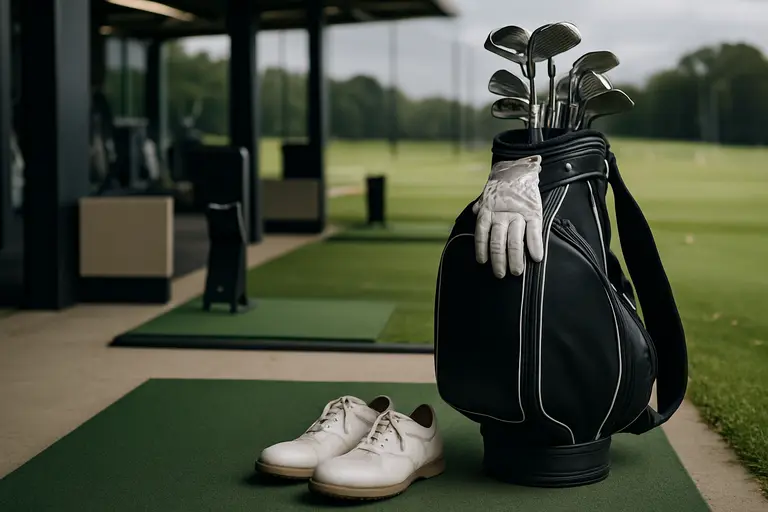
Your Current Clubs Tell The Story
Bring the clubs you actually play, even if you think they are wrong. They give the fitter a baseline for length, lie, loft, shaft weight, shaft flex, grip size, and set composition. Just as important, they show the shot pattern you are trying to improve. If your 7-iron is reliable but your 5-iron never launches, that is useful. If your 3-wood only works from a tee, that is useful. If your wedges fly too close together, that is useful.
Golfers should also bring their normal golf shoes, glove, and a few notes about typical misses. A fitter does not need a long autobiography, but honest context helps. Are you fighting a slice, a pull, a thin strike, or inconsistent contact? Do you play mostly firm turf, soft resort conditions, or a mix? Are you taking lessons or planning a swing change? These details can change the recommendation.
Do Not Chase One Perfect Swing
The value of Orlando Club Fitting is pattern recognition. Most amateurs will hit some poor shots during a session. That is normal. A fitting that only honors the best swing of the day can produce a club that looks great on paper and fails on the course. The fitter should look for repeatable improvements across several swings: better strike location, tighter start lines, healthier launch and spin, or cleaner distance gaps.
It is also fair to speak up about feel. Some golfers load a heavier shaft better. Some need help sensing the head. Some dislike a certain look at address. Data should lead the session, but a club the golfer cannot stand looking at rarely survives long in the bag.
How Amateur Golfers Should Use This True Spec Site
Think In Terms Of Scoring Jobs
A golf bag has jobs. Driver needs to create playable distance. Fairway woods and hybrids need to cover long approaches and tee shots. Irons need reliable carry gaps. Wedges need predictable windows and turf interaction. Putter fit needs to support aim, start line, and speed control. The new True Spec facility gives local amateurs a structured place to test those jobs, but the golfer still has to arrive with clear priorities.
Orlando Club Fitting makes the most sense when it is tied to real course problems. If you miss right under pressure, say so. If your 6-iron and 7-iron fly too close together, say so. If you never use a club because you do not trust it, that club is taking up space. The best outcome is not always fourteen new clubs. Sometimes it is one correct driver setting, a hybrid replacing a long iron, a wedge gap fix, or confirmation that part of the current bag still works.
For Orlando-area golfers and visitors, True Spec’s new presence adds another serious fitting option. Use the technology, ask clear questions, verify the location before booking, and judge the recommendation by how well it supports the shots you need to hit on the course.