The Wilson FitAi platform is built to make the club fitting process faster, cleaner, and more consistent for golfers and fitters. Instead of treating the fitting bay like a trial-and-error guessing session, Wilson’s next-generation system connects fitting inputs, launch monitor data, and product recommendations inside one workflow. That does not mean every golfer walks out with guaranteed distance or lower scores. It means the fitter should have a more organized way to test, compare, and explain what the numbers are saying.
For golfers, the useful question is simple: does this help you understand your equipment decision more clearly? Based on the reported features, the answer is yes, especially if the fitter uses the system as a decision aid rather than a shortcut. The platform supports driver and iron fittings, works with launch monitor data, and produces recommendations covering club head models, lie and loft settings, head weight setups, shaft length, and shaft model selection. Those are the details that usually separate a serious fitting from a quick product demo.
How The Wilson FitAi platform Fits The Bay
A good fitting still starts with the golfer, not the software. The player’s delivery, strike pattern, shot shape, speed, feel preferences, and budget all matter. What the Wilson FitAi platform appears to change is the order and speed of the work. Wilson’s system is reported to connect directly with leading launch monitors, including Foresight Sports and TrackMan, so ball flight and swing data can feed the fitting process in real time Golfshake report.
Wilson FitAi platform Setup Questions
The fitting process includes a short questionnaire to establish a baseline configuration. That matters because the first test club should not be random. A fitter may still change direction quickly after watching ball flight, but starting from a structured baseline can reduce wasted swings and help the golfer conserve energy. In a driver fitting, that might mean beginning with a sensible head and shaft profile before adjusting launch, spin, and strike location. In an iron fitting, it may mean getting to a playable length, lie, and model category before comparing feel and carry gaps.
The platform is also reported to remove the need for external sensors. That is a practical point. In a busy fitting studio, fewer extra devices can mean less setup time and fewer distractions. The fitter can stay focused on the player’s motion, contact quality, and feedback instead of managing another piece of hardware.
Why Direct Launch Monitor Data Matters
Launch monitors are not magic, but they are useful when the fitter knows which numbers deserve attention. Ball speed, launch angle, spin rate, carry distance, descent angle, offline pattern, and strike tendency all help tell the story. The Wilson FitAi platform uses that kind of data to refine recommendations as more swings are captured. That iterative element is important because one swing is not a fitting. Even five swings can be misleading if the golfer is warming up, changing tempo, or reacting to a club that feels unfamiliar.
The key is pattern recognition. If a golfer repeatedly launches a driver too low with excess spin, the fitter has a clearer reason to test a different head, loft setting, shaft model, or head weight setup. If an iron produces good ball speed but poor start-line control, lie angle and shaft behavior may need attention. Software can help organize those choices, but the fitter still has to judge whether the result matches the golfer’s real course needs.
What The Fitter Still Has To Own
Wilson’s reported AI algorithm is designed to optimize launch conditions and support faster recommendations, and Golf Retailing notes that the system can make recommendations across driver and iron fittings, including head model, lie and loft settings, head weight setup, shaft length, and shaft model Golf Retailing coverage. That is useful, but it should not replace conversation.
A golfer’s best-fit club is not always the one with the longest single carry number. A driver that produces one standout shot and four loose misses may not be the best build. An iron that carries farther may create gapping issues if it overlaps a hybrid or leaves a yardage hole at the short end. A fitter has to connect the data to the bag, the course, and the player’s normal miss.
AI Can Sort Options, But Feel Still Counts
Golfers often describe clubs in plain language: too heavy, too light, boardy, loose, sharp, muted, easy to turn over, hard to square. Those comments are not noise. They help explain whether the player can repeat the delivery. The Wilson FitAi platform can help narrow the test matrix, but a good fitter will still ask what the golfer feels, what shot they trust, and which miss they can live with.
This is where fitting experience matters. A launch monitor may show two club builds with similar averages, but the player may deliver one more comfortably. If the golfer makes better contact because the club feels more stable, that matters. If a shaft looks good for three swings but causes timing issues after ten, that matters too. The platform should help the fitter see those patterns sooner, not force the golfer into a recommendation that only looks good on one screen.
Pricing And Booking Questions To Ask First
A more efficient fitting workflow can save time, but golfers should still ask clear pricing questions before booking. Wilson’s technology may support the fitting session, but the shop, studio, or retailer sets its own fees and sales policies. Do not assume that a fitting fee, club purchase, shaft upgrade, grip change, lie adjustment, or follow-up session is included unless the fitter says so in writing.
- Ask whether the quoted fitting fee covers driver only, irons only, or a full bag session.
- Ask whether any fitting fee is credited toward a club purchase.
- Ask whether recommended shafts or grips carry upcharges beyond the base club price.
- Ask whether loft, lie, swing weight, or build checks are included after delivery.
- Ask for the final build sheet before ordering, including length, loft, lie, shaft, grip, and any head weight setup.
That last point is especially important. The value of a fitting is not only the hour in the bay. It is the accuracy of the build that follows. If the recommendation includes a specific shaft model and length, the order should match that. If the iron fitting calls for a lie adjustment, the delivered set should be checked. A clear build sheet protects the golfer and gives the shop a clean reference if anything feels off later.
Where A Faster Workflow Helps The Golfer
Speed matters most when it removes clutter, not when it rushes the decision. A golfer can tire during a fitting, especially during a full driver or iron matrix. If the Wilson FitAi platform helps the fitter get to better test options sooner, the player may spend more swings comparing realistic choices and fewer swings hitting poor fits. That is a real benefit, provided the fitter still leaves room for validation.
Validation means returning to the leading options, hitting enough shots to see a pattern, and checking whether the recommendation makes sense for the whole bag. For irons, that may include gapping and lie board or face-strike feedback, depending on the shop’s process. For drivers, it may include testing the preferred setup against the current gamer. The goal is not to create a perfect spreadsheet. The goal is to leave with a club spec that the golfer understands and can explain.
How It Compares With A Traditional Fitting
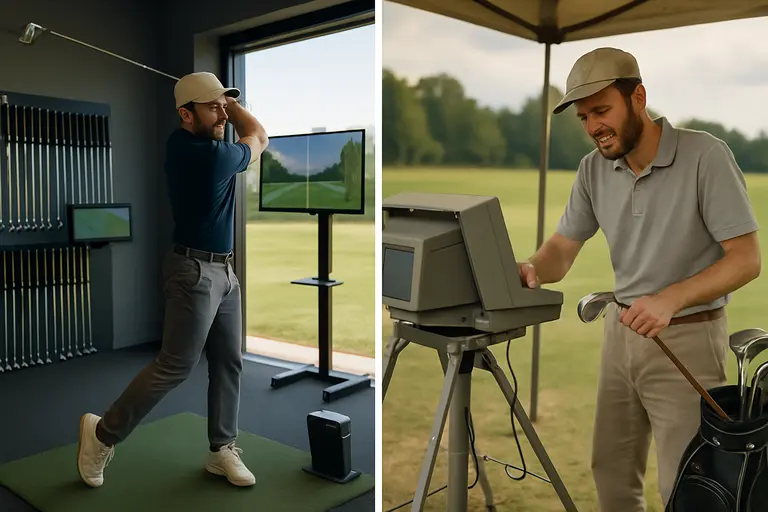
A traditional fitting can be excellent if the fitter is skilled, the launch monitor is reliable, and the test matrix is organized. The difference with Wilson’s newer system is that more of the decision flow appears to be built into the platform. Instead of the fitter manually tracking every branch of the test, the system can refine recommendations as data comes in.
That can help create consistency across different fitting environments. A golfer who books at one location should expect a structured process, not a random sequence of club swaps. Still, the human layer remains the safeguard. If the golfer has an unusual delivery pattern, a physical limitation, a strong brand or feel preference, or a strict budget, the fitter has to account for that. A recommendation is only useful if it fits the person swinging the club.
For players who want broader gear and sports reference material from the same network, Wikiapp serves as an interconnected resource. However, for the fitting decision itself, the best source is still the session record: your launch data, your strike pattern, your build sheet, and the fitter’s explanation.
Wilson FitAi Platform Takeaways For Golfers
The Wilson FitAi platform looks most valuable as a fitter workflow tool: it connects launch monitor data, reduces extra hardware needs, supports driver and iron fitting, and outputs detailed club recommendations. That is a strong setup for a more organized session. It should help golfers ask better questions and help fitters move through options with less guesswork.
Go into the fitting with practical expectations. Bring your current clubs, know your normal miss, explain any injury or mobility limits without self-diagnosing, and be honest about budget before shafts and upgrades enter the conversation. Ask the fitter to show why the final recommendation beat the alternatives. If the answer is clear in the data and feels playable in your hands, the process has done its job.