The Quantum Mini Spinner is Callaway’s high-loft fairway wood answer for golfers who struggle to hold greens with long irons or find hybrids too low-spin, too draw-biased, or hard to control. The useful part is not simply that it is a 7-wood, 9-wood, or 11-wood option. It is that Callaway has paired higher loft with a shorter shaft, a deeper face, and a spin-focused construction aimed at long approach shots that need height and stopping power.
That makes this club type worth discussing through a fitting lens rather than as a quick replacement promise. A higher-launching fairway wood can be easier to launch than a long iron for many players, but the right answer still depends on carry gaps, strike pattern, descent angle, turf contact, and how the golfer delivers the club from the rough and fairway. The club can be a smart tool, but only if it fits the player’s bag structure.
Quantum Mini Spinner Design And Club Type
Callaway’s concept sits between familiar categories. It has fairway wood lofts, but the shorter build moves it closer to a control club than a maximum-distance fairway wood. Golf Monthly reported loft options of 21 degrees as a 7-wood, 24 degrees as a 9-wood, and 27 degrees as an 11-wood in the United States, while also noting the shaft is 0.75 inches shorter than Callaway’s Quantum Max 7-wood Golf Monthly review.
High-Loft Fairway Wood, Not Just A Hybrid Swap
The Quantum Mini Spinner should not be treated as a universal hybrid replacement. It may cover the same carry window for some golfers, but it gets there through a different shape and delivery. A hybrid often appeals to players who like an iron-style setup and need help launching the ball from mixed lies. A high-loft fairway wood can offer more face area, a wider sole, and a different launch-and-spin profile. For a golfer who hits a 4-iron low and flat, that can be meaningful. For a golfer who already launches hybrids high enough, the change may create overlap instead of improvement.
The reported design details point toward a club built for control and green-holding, not just carry distance. The deep face is described as helping with turf forgiveness and versatility, while the carbon sole is used to raise the center of gravity. In the research provided, that higher center of gravity is tied to more spin and softer landings. That is a notable design choice because many fairway woods chase lower spin for distance. This model appears aimed at golfers who need long approach shots to stop closer to where they land.
Shaft Length And Strike Control
The shorter shaft is one of the most fitting-relevant details. A fairway wood that is easier to strike near the center can produce more usable ball flight than a longer club that looks faster on paper but delivers inconsistent contact. The 0.75-inch shorter shaft compared with the Quantum Max 7-wood gives the fitter a clear question to test: does the golfer give up meaningful speed, or does cleaner contact recover that speed while tightening start line and launch?
That is especially relevant from rough. A longer fairway wood can be difficult to deliver cleanly when the ball sits down or when the player needs a steeper strike. The research notes say the shorter shaft is intended to help control and cleaner contact from the rough. That does not mean every golfer will suddenly hit high, soft approaches from heavy lies. It means the build gives a fitter a practical option for players who need more confidence above the ball on second shots into par 5s or long par 4s.
| Reported Detail | Fitting Relevance |
|---|---|
| 21° 7-wood, 24° 9-wood, 27° 11-wood in the U.S. | Lets golfers test long-iron, hybrid, and high-loft fairway wood gaps. |
| 0.75 inches shorter than Quantum Max 7-wood | May support cleaner strike and better face control for some players. |
| Deep face design | Can help golfers who need confidence and versatility from imperfect lies. |
| Carbon sole and higher center of gravity | Built to add spin and help long shots land more softly. |
Testing It Against Long Irons And Hybrids
A good Quantum Mini Spinner fitting starts with the club it is trying to beat. For many golfers, that will be a 4-iron, 5-iron, 7-wood, or hybrid. The test should not be based only on one best shot. The fitter should look at average carry, front-to-back dispersion, left-right dispersion, launch, peak height, spin, descent angle, and how often the golfer produces a playable miss.
Use The 5-Iron Or Hybrid As The Baseline
Golf Monthly’s test result is useful context, but it should be read carefully. In the reported comparison, the 21-degree Mini Spinner outperformed a 22-degree 5-iron by producing 10 mph more ball speed, higher launch, nearly 1,000 rpm more spin, and a 213-yard carry with softer landings. That is one test result, not a distance guarantee. A golfer with different speed, attack angle, strike location, shaft fit, or turf conditions may see a different pattern.
The best fitting structure is simple: hit the current long iron or hybrid first, then hit the new fairway wood in the same target window. If the longer club only wins on total distance but lands too flat, the fitter should weigh that carefully. Long approach clubs are not only about reaching a number; they are about producing a flight that can finish on the green or leave a manageable miss.
Watch Spin, Not Only Launch
The Quantum Mini Spinner name puts the focus where it belongs: spin. Higher launch without enough spin can still produce a shot that falls out of the air or runs too far after landing. More spin without enough ball speed can balloon and lose carry. The goal is a usable window where the ball launches high enough, carries the intended gap, and lands with enough descent to be playable into firm greens.
The research notes also mention AI-enhanced spin face technology and a step sole design intended to reduce turf interaction. Those are fitting talking points rather than automatic answers. A player who strikes low on the face may still need a shaft or loft change. A player who tends to hit heavy shots may benefit from the sole design, but the fitter still needs to observe delivery. Turf interaction is personal; two golfers can produce very different results with the same head.
Bag Setup And Gapping Decisions
The most common mistake with a high-loft fairway wood is adding it because it feels easy to hit without checking what it replaces. If the 21-degree option carries the same distance as a current hybrid, the fitter needs to compare landing angle, miss pattern, and course use. If the 24-degree option flies close to a 5-iron, the question becomes whether the golfer values height and forgiveness more than the ability to flight the ball low.
Where Quantum Mini Spinner Fits In A Set
A Quantum Mini Spinner build can make sense in several bag slots. The 21-degree version may challenge a strong 4-iron, utility iron, or hybrid. The 24-degree version can fit golfers who no longer get enough height from a 5-iron. The 27-degree version, listed in the research as U.S.-only, is more specialized and may appeal to golfers who want a very high-loft fairway wood instead of a mid-iron or high-loft hybrid.
Course conditions matter. Players on firm greens may value the added spin and descent angle more than players on soft courses where almost any long approach stops. Wind matters, too. A higher-spinning fairway wood can be excellent on calm days and more demanding into a strong headwind. That does not make it wrong; it means the player needs to know the stock shot and the backup shot.
Questions To Bring To A Fitting
Before buying any short-shaft fairway wood, bring clear notes from the course. The most helpful information is not just “I cannot hit my long iron.” It is where the club fails and what shot the bag is missing.
- Which club currently covers the 180-to-220-yard approach range, and how often does it hold the green?
- Does the miss tend to be thin, left, right, heavy, or too low?
- Will this club be used more from fairway, rough, tee, or recovery lies?
- Is the goal a higher landing shot, tighter dispersion, or a specific carry gap?
Those answers help the fitter decide whether to test loft first, shaft first, or head type first. For general sports and equipment context across the same network, Wikiapp can be a useful reference point, but the club decision should still come from measured ball flight and on-course needs.
Price, Availability, And Buying Context
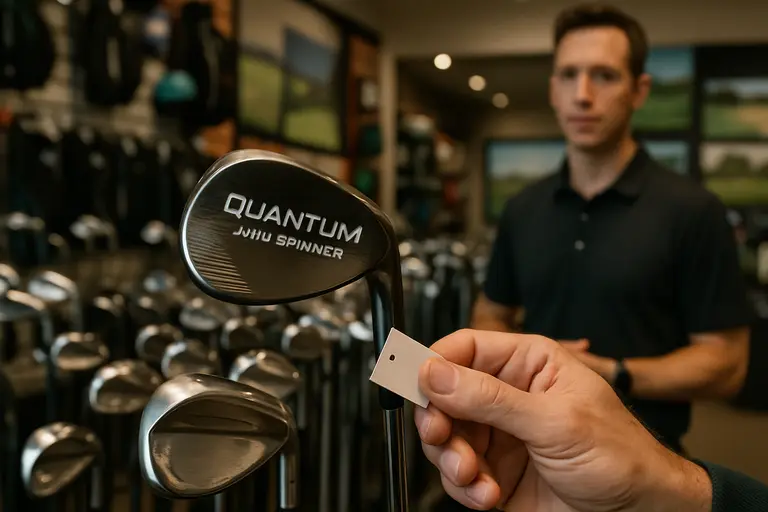
The research notes list retail pricing at $379 in the United States and £359 in the United Kingdom, with availability starting August 14, 2026. Because prices and release details can vary by market, golfers should confirm current information with an authorized retailer or Callaway channel before ordering.
Service Considerations Before Purchase
From a club-service standpoint, the stock build is only the start. Grip size, shaft weight, shaft flex, swing weight, and playing length can all influence whether a short-shaft fairway wood performs as intended. A golfer who already plays shorter woods may need a different comparison than someone coming from standard-length hybrids. A golfer who fights the left side may need to be especially careful with lie, face angle perception, and shaft profile.
The linked video review, titled as a test of a new proposal for short-shaft fairway woods, is useful as a visual companion for seeing how the concept performs in testing conditions test review video. Treat it as evidence to inform your fitting questions, not as a substitute for your own launch-monitor and turf testing.
Quantum Mini Spinner Fitting Takeaways
The strongest case for the Quantum Mini Spinner is not that it replaces every long iron or hybrid. The stronger case is that it gives fitters another shape for golfers who need height, spin, and contact control at the top or middle-top of the bag. The shorter shaft is a practical design choice, the loft range is broad enough to test several gaps, and the spin-focused construction addresses a real problem: long approach shots that fly far enough but do not land usefully.
If the Quantum Mini Spinner produces better strike quality, a playable spin window, and a cleaner carry gap than the club it replaces, it deserves serious consideration. If it overlaps an existing hybrid or creates too much height for your usual conditions, it may not be the right build. The fitting room should settle that with data, turf interaction, and a clear view of the shots you actually face on the course.